

Dr Sandeep Mahapatra
Senior Consultant Dermatologist, Cosmetic Expert & Hair Transplant Surgeon
Relevant for hair restoration, dermatology, skin and laser care, and non-surgical aesthetic consultations.
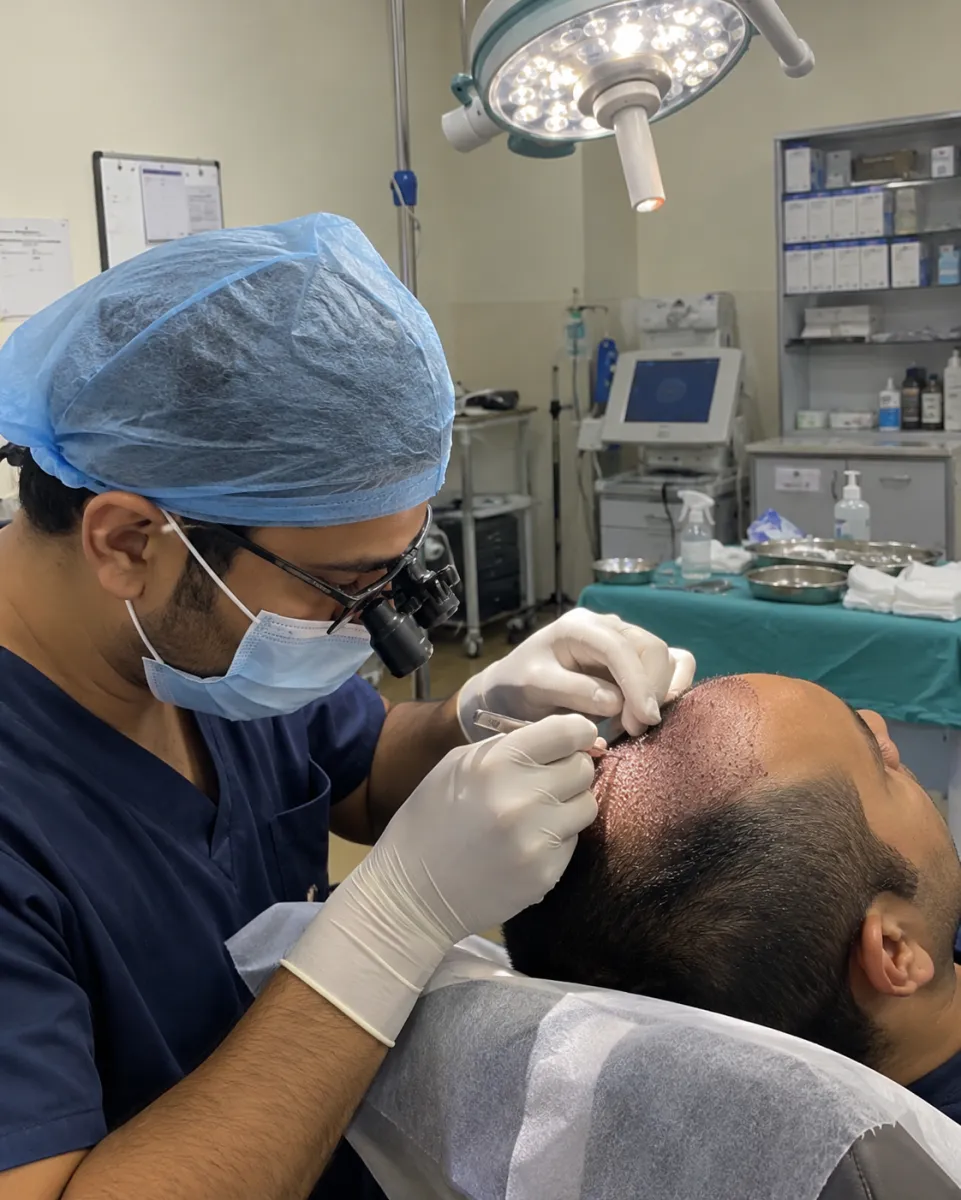
Our Technology
ARTAS iX is a robotic hair-restoration system designed to assist experts during selected stages of hair transplantation. At NeoSculpt6, ARTAS technology is considered only after a detailed hair-loss, scalp and donor-area assessment.
ARTAS iX uses robotic technology and a high-definition stereoscopic vision system to identify suitable hair follicular units from the scalp. The system can support experts during follicular-unit harvesting, recipient-site creation and implantation as part of a clinically planned hair-transplant procedure.
Treatment planning remains specialist led. The choice of technique depends on the pattern of hair loss, donor availability, scalp condition, hair characteristics and the result the patient hopes to achieve.
Traditional hair restoration procedures include Follicular Unit Transplantation (FUT) and manual Follicular Unit Excision (FUE). The appropriate method depends on the individual assessment and treatment plan.
FUT involves removing a strip of scalp from the back of the head and separating the hair follicles from it for implantation into balding areas. Because it involves strip removal, FUT leaves a permanent linear scar, and some patients may experience scalp numbness, tingling, tightness or discomfort during recovery.
Manual FUE uses handheld instruments to extract individual hair grafts. The procedure relies on the expert’s or technician’s hand-eye coordination and involves repetitive graft extraction during surgery.
ARTAS iX uses robotic technology to assist experts with precise and repetitive movements during follicular-unit harvesting. It is designed to identify suitable grafts, assist with extraction, create recipient sites and implant harvested follicles as part of the planned procedure.
Our Process
The ARTAS iX high-definition stereoscopic vision system identifies grafts suitable for harvesting and provides detailed visualisation during the procedure.
The ARTAS iX harvesting system helps the expert dissect and harvest grafts from the donor area. Robotic technology supports consistent repetitive movements throughout this stage of the procedure.
After harvesting, the ARTAS iX system can create recipient sites according to the individual treatment plan, hairline design and graft-placement strategy.
ARTAS iX can support recipient-site making and implantation of harvested grafts. The treatment team plans every stage around the patient’s existing hair, donor area and restoration goal.
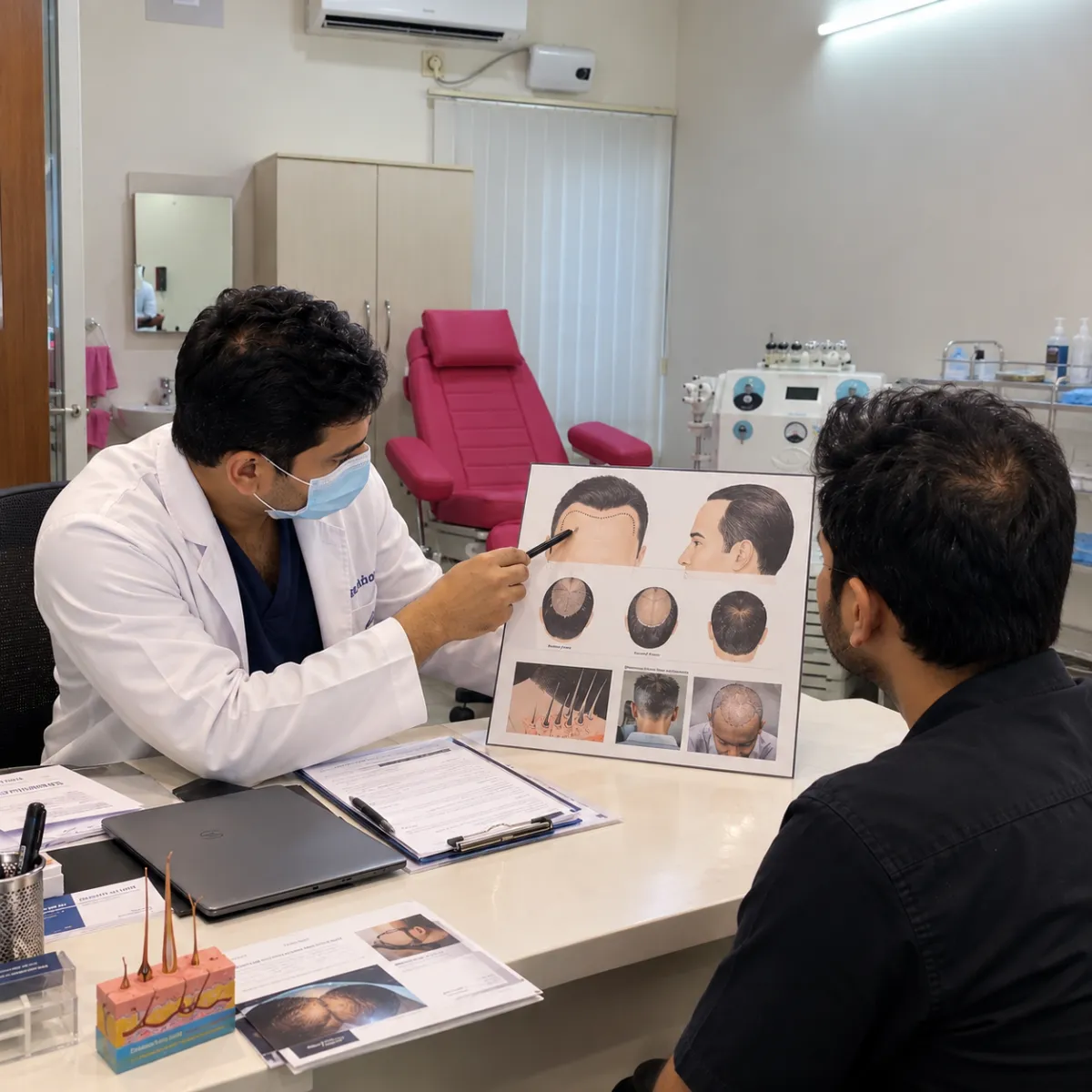
ARTAS-assisted follicular-unit extraction does not use a strip-removal approach, so it does not create a linear donor scar.
The procedure is designed around individual follicular units rather than the plug-graft approach used in older transplant methods. It does not involve strip closure with stitches or staples.
Robotic technology supports detailed imaging, graft identification and repeatable procedural movements during the planned stages of treatment.
Hairline design, graft placement and density goals are planned around the individual’s facial proportions, existing hair, donor availability and long-term expectations.
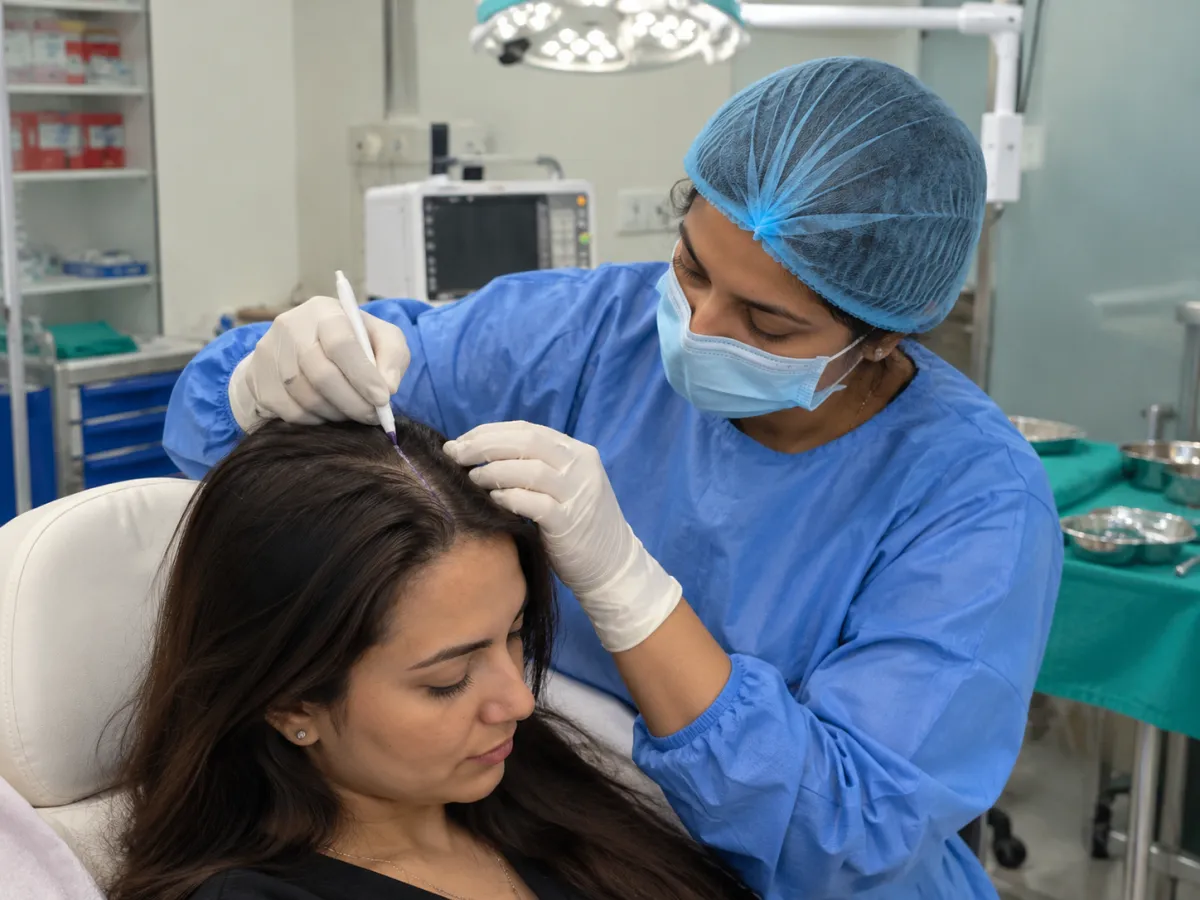
ARTAS iX may be considered for men and women with androgenetic alopecia where hair and donor characteristics are suitable for the technology-assisted procedure. Hair-loss pattern, donor area, scalp condition and hair characteristics are assessed before treatment is recommended.
The expert determines whether ARTAS-assisted treatment is appropriate after evaluating the patient’s hair loss and donor area.
Hair restoration develops gradually after treatment. Visible change is reviewed over time, with hair-transplant progress commonly assessed at different stages of the growth cycle. Actual growth, density, recovery and final appearance vary between patients.
Our Doctors
Senior Consultant Dermatologist, Cosmetic Expert & Hair Transplant Surgeon
Relevant for hair restoration, dermatology, skin and laser care, and non-surgical aesthetic consultations.
The treatment estimate depends on the concern, treatment area, assessment findings, technology plan, number of sessions or procedure requirements, aftercare and follow-up needs. A preliminary estimate may be discussed after the relevant information is reviewed; final costs follow the required clinical assessment.
Patient Stories
Rated 4.8 on Google from 1,042 reviews of Neo Follicle
Quick Answers
ARTAS iX is a robotic hair-restoration system designed to assist experts during selected stages of hair transplantation, including follicular-unit harvesting, recipient-site creation and implantation.
Yes. FUT removes a strip of scalp and leaves a linear scar, and manual FUE uses handheld instruments. ARTAS iX uses robotic technology to assist experts with precise and repetitive movements during harvesting.
ARTAS-assisted follicular-unit extraction does not use a strip-removal approach, so it does not create a linear donor scar.
No. The expert determines whether ARTAS-assisted treatment is appropriate after evaluating the patient’s hair loss, donor area, scalp condition and hair characteristics.
Hair restoration develops gradually after treatment, and progress is reviewed at different stages of the growth cycle. Actual growth, density and final appearance vary between patients.

NeoSculpt6 combines specialist-led hair restoration with advanced hair analysis, donor assessment and ARTAS iX robotic hair-restoration technology where suitable. A consultation helps assess hair loss, donor area and suitability before a personalised restoration plan is recommended.